
Kava vs Kratom: Which Herbal Product Is Safer and More Effective?
Kava and kratom are two controversial herbal products that many people now discover through online wellness shops, forums, and social media. For a clear side-by-side breakdown of ingredients, effects, and safety questions, check this detailed comparison: Kava vs Kratom.
Important: This article is for educational and SEO purposes only and does not replace medical advice; always consult a qualified healthcare professional before using any herbal supplement, especially if you take medications or have ongoing health conditions.
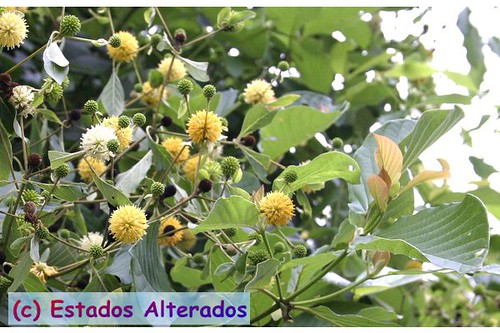
What Is Kava?
Kava (Piper methysticum) is a plant native to Pacific island nations, where its root has long been used to create a ceremonial drink that promotes relaxation and social connection. In modern wellness culture, kava is offered as powders, extracts, and capsules marketed for stress relief, mood balance, and better sleep.
The active compounds in kava are known as kavalactones, and they appear to influence brain pathways linked to anxiety and muscle tension. Many users describe kava as calming without feeling heavily sedated, which is why it is often used in the evening or as an alcohol alternative in “kava bars.”
Common Reasons People Use Kava
- To unwind at the end of a stressful day
- To support a calmer, more relaxed mood
- To help with occasional trouble falling asleep
- As a social drink that does not contain alcohol
What Is Kratom?
Kratom (Mitragyna speciosa) is a tropical tree from Southeast Asia whose leaves have traditionally been chewed or brewed as tea. Today, kratom is usually sold as powders, capsules, or concentrated extracts and is often promoted online for energy, focus, or pain relief.
The key alkaloids in kratom, including mitragynine and 7-hydroxymitragynine, interact with opioid receptors in the brain. At lower doses, kratom may feel stimulating, while higher doses can produce more sedating and opioid-like effects, which raises concerns about dependence and withdrawal.
Why Some People Turn to Kratom
- To try to manage chronic discomfort or pain
- To boost energy and productivity during the day
- To experiment with mood elevation or euphoria
- To self-manage withdrawal symptoms from other substances (often without medical supervision)
Kava vs Kratom: Key Differences at a Glance
| Feature | Kava | Kratom |
|---|---|---|
| Plant origin | South Pacific root (Piper methysticum) | Southeast Asian tree leaves (Mitragyna speciosa) |
| Main effect | Relaxation, reduced nervous tension | Stimulation at low doses, sedating and opioid-like at higher doses |
| Primary goal | Stress relief, mood support, sleep | Energy, focus, pain relief, self-managed withdrawal |
| Mechanism | Acts on GABA and related receptors | Acts on opioid receptors and other pathways |
| Major concern | Potential liver toxicity in some users | Risk of dependence, withdrawal, and serious side effects |
| Typical form | Tea, drinks, capsules, tinctures | Powder, capsules, extracts, teas |
Side Effects and Safety: Kava
Although many people report positive experiences with kava, it is not risk-free. Possible side effects can include:
- Drowsiness and slower reaction time
- Dizziness, headache, or digestive upset
- Dry or scaly skin with long-term heavy use
- Liver problems, including rare but severe liver injury
People with liver disease, those who regularly drink alcohol, or individuals taking medications that affect the liver are generally advised to avoid kava unless their doctor specifically approves it.
Side Effects and Safety: Kratom
Kratom can cause a broad range of side effects, especially at high doses or with frequent use:
- Nausea, vomiting, and constipation
- Rapid heartbeat and blood pressure changes
- Anxiety, irritability, or confusion
- Liver injury in some reported cases
- Dependence and withdrawal symptoms when stopped abruptly
Because kratom engages opioid receptors, regular use can lead to tolerance and a need for higher doses to feel the same effect. Stopping suddenly may trigger withdrawal symptoms such as restlessness, muscle pain, sweating, and sleep disturbances.
Authority Guidance on Herbal Substances
Health agencies and research organizations urge caution with both kava and kratom, especially when they are used without medical supervision. For example, the National Center for Complementary and Integrative Health (NCCIH) discusses potential risks, lack of long-term safety data, and the importance of talking with a healthcare provider before using these products.
Who Should Avoid Kava and Kratom?
The following groups are generally advised to avoid kava, kratom, or both:
- People with known liver disease or abnormal liver tests
- Anyone who drinks alcohol heavily or uses other substances that stress the liver
- Individuals taking psychiatric medications, sedatives, or opioids
- Pregnant or breastfeeding women, or those trying to conceive
- People with a history of addiction or substance use disorder
Practical Tips If You Are Considering Either Herb
- Talk with your doctor or pharmacist before trying kava or kratom.
- Share a full list of your medications and supplements to check for interactions.
- Avoid mixing these products with alcohol, sedatives, or recreational drugs.
- Be alert for warning signs such as yellowing of the skin or eyes, dark urine, severe fatigue, chest pain, or sudden mood changes.
- Stop use and seek medical help immediately if you suspect serious side effects.
SEO-Friendly FAQs About Kava vs Kratom
Is kava safer than kratom?
Both herbs carry risks, and “safer” depends on your health status, dose, frequency, and other substances you use. Kava is generally associated with relaxation and anxiety relief but has been linked to possible liver toxicity. Kratom can have stronger, opioid-like effects and may cause dependence and withdrawal. Choosing either product should always involve a discussion with a healthcare professional.
Can I use kava and kratom together?
Combining kava and kratom is not recommended. Mixing multiple psychoactive herbs can increase the chances of side effects such as extreme drowsiness, confusion, liver stress, or dangerous interactions with medications and alcohol.
Which is better for stress: kava or kratom?
For stress relief specifically, kava is the herb most commonly discussed, while kratom is more often used for energy or pain. However, everyone’s body responds differently, and there is no guarantee that either will be effective or safe for you. Evidence-based treatments and lifestyle strategies recommended by your healthcare provider remain the safest first-line options.
Final Thoughts on Kava vs Kratom
When you compare kava vs kratom, it becomes clear that they are very different herbal products with different mechanisms, benefits, and risk profiles. Kava is generally associated with calming, social relaxation, and sleep support, but carries potential liver risks. Kratom offers stimulating or sedating effects and may appeal to people dealing with pain or fatigue, yet it also brings concerns about dependence and serious side effects.
If you are exploring natural ways to manage stress, mood, or discomfort, use high-quality information, involve a healthcare professional, and remember that “natural” does not automatically mean “safe.” Your long-term health and safety should always come before quick or experimental fixes.